Bird BungalowsHandcrafted Birdhouses

The Field Guide

Find Your Bird

Browse by intended species, then match its breeding range, nesting style and habitat to your landscape.

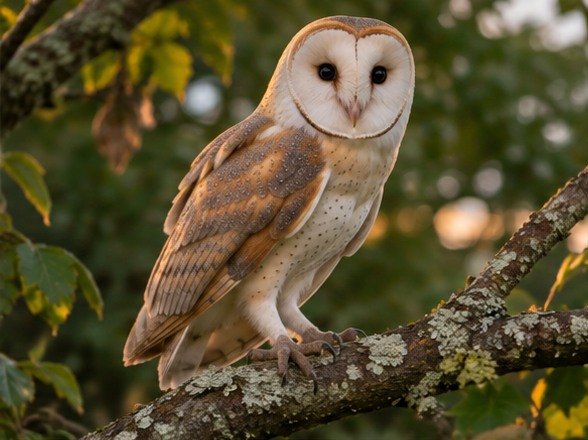
American Barn Owl by its intended house

American Barn Owl

In open agricultural and grassland landscapes across much of the Americas where local breeding conditions suit it.

Barn owls use large sheltered cavities. The loft needs room for a brood and a clear approach, with a support appropriate for a full-size owl box.
The Hayloft →

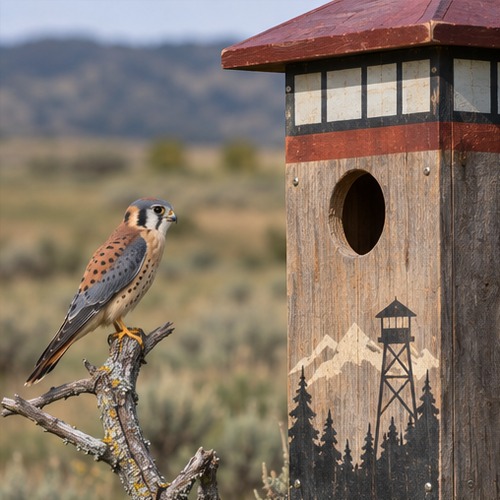
American Kestrel by its intended house

American Kestrel

Widely distributed across the Americas. In North America it favors open country, from farmland to grasslands, where hunting space and a usable cavity occur together.

A kestrel uses a substantial cavity for its eggs. The tall tower form fits a deep chamber, with a much larger opening than a chickadee or bluebird house would need.

The Fire Lookout →

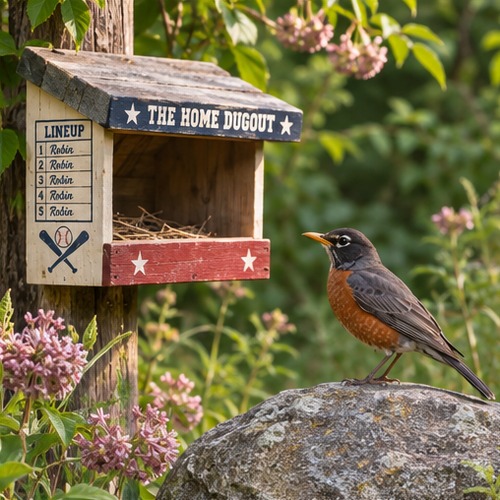
American Robin by its intended house

American Robin

Across much of North America, from northern breeding areas to year-round populations farther south. Local robins may change their feeding habits and movements with the season.

An open platform with overhead shelter supports the robin’s substantial cup nest. The robin brings grass and mud and shapes the cup itself; a little round entrance would defeat the purpose.

The Home Dugout →

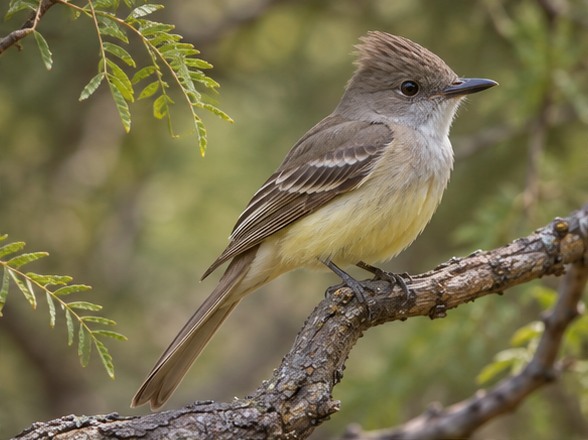
Ash-throated Flycatcher by its intended house

Ash-throated Flycatcher

Across dry portions of western North America and into Mexico during the breeding season.

Pairs use cavities in suitably open woodland or scrub. A wooden box can provide a chamber where natural cavities are scarce.

The Desert Trading Post →

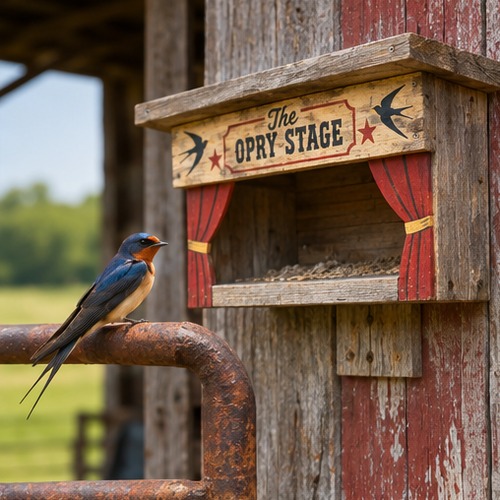
Barn Swallow by its intended house

Barn Swallow

Across much of North America in the breeding season, migrating to warmer regions of the Americas when insects become scarce.

A sheltered support gives the swallow a starting place for its mud cup. The open front leaves room for its approach; a closed songbird box cannot serve the same purpose.

The Opry Stage →

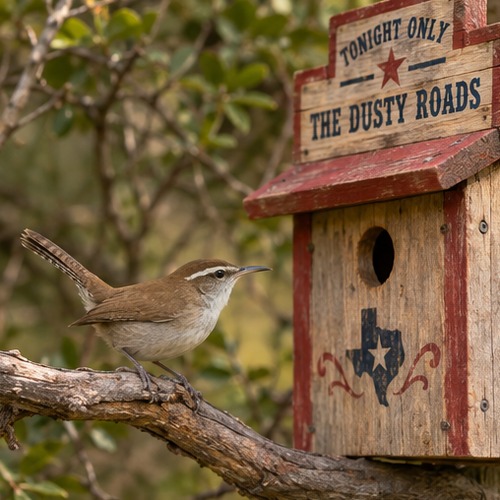
Bewick’s Wren by its intended house

Bewick’s Wren

Mostly in western North America today, including western and central Texas and areas toward the Pacific Coast. Its distribution is patchy farther east.

A sheltered cavity close to brush suits a wren that spends much of the day hunting low. Nest material can include sticks, leaves and softer fibers gathered nearby.

The Honky-Tonk →

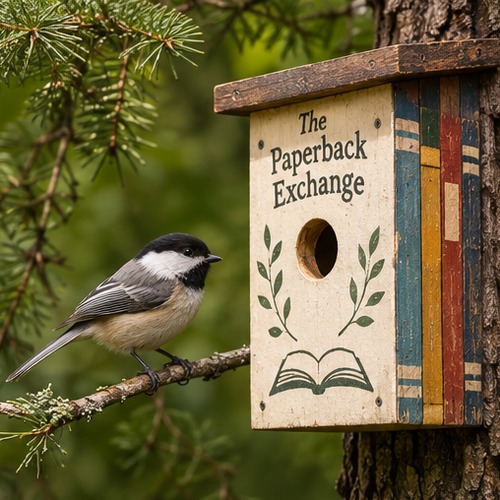
Black-capped Chickadee by its intended house

Black-capped Chickadee

Across southern Canada and much of the northern United States, extending south in some mountain regions. Local records help near the boundary with Carolina Chickadees.

A small cavity offers a sheltered place for a moss-based nest. In nature the birds may excavate soft, decayed wood, so an old tree with natural cavities remains valuable beside a nest box.

The Paperback Exchange →

The One-Room Schoolhouse →

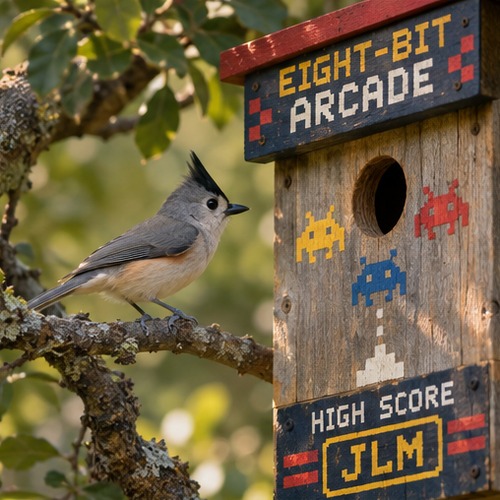
Black-crested Titmouse by its intended house

Black-crested Titmouse

Chiefly in Texas, southwestern Oklahoma and northeastern Mexico. The overlap with Tufted Titmice in parts of Texas makes local identification especially interesting.

An enclosed chamber matches the species’ use of existing cavities. An arcade marquee can carry initials above the entry while the cavity itself stays free of decoration.

Eight-Bit Arcade →

The Neighborhood Bowling Alley →

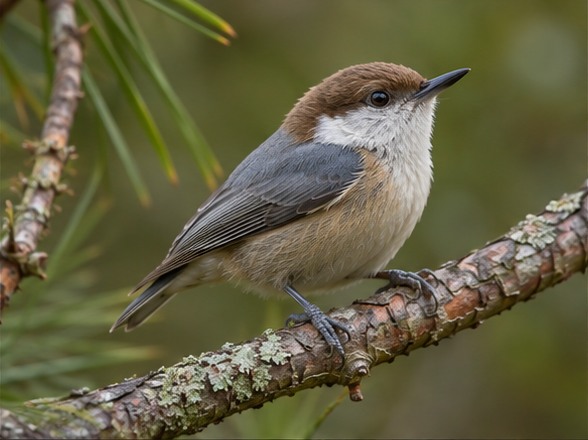
Brown-headed Nuthatch by its intended house

Brown-headed Nuthatch

Primarily in the pine forests of the southeastern United States, including parts of East Texas.

A small cavity with a one-inch entrance suits this nuthatch. Open stands of pine are an important part of the match between the house and the bird.

The Piney Woods Sawmill →

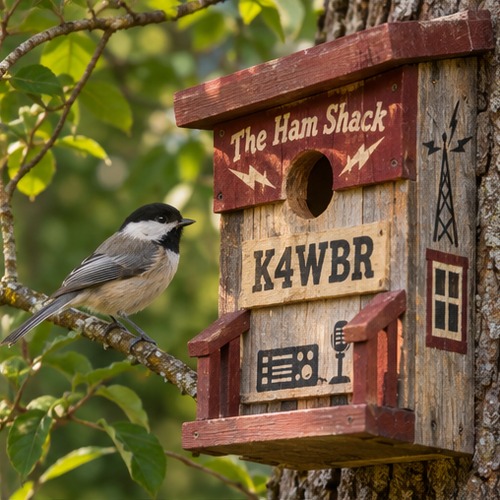
Carolina Chickadee by its intended house

Carolina Chickadee

Primarily the southeastern United States, extending west into parts of Texas and north to a shifting contact zone with the Black-capped Chickadee.

A compact cavity suits a small woodland bird that carries moss and soft lining into the nest. An unobstructed entrance matters more to the bird than the lettering or artwork outside.

The Ham Shack →

The Box Camera →

Main Street Barber →

The All-Night Diner →

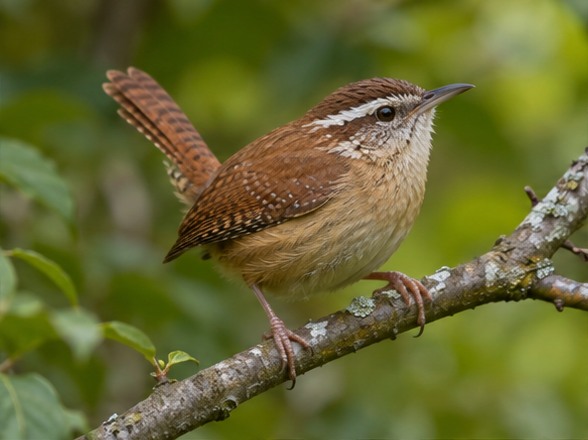
Carolina Wren by its intended house

Carolina Wren

Across much of eastern North America, from suburban gardens to brushy woodland edges.

Wrens often choose a partly enclosed nook on a building. A roofed opening offers that familiar shape close to protected cover.

The Potting Shed →

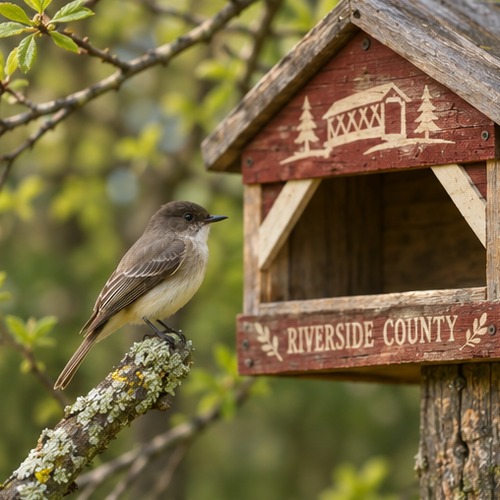
Eastern Phoebe by its intended house

Eastern Phoebe

In eastern North America during the breeding season, particularly near water and sheltered structures; many spend winter in the southeastern United States or Mexico.

A covered ledge resembles the sheltered supports phoebes choose under bridges or eaves. The bird builds its own mud-and-moss nest on that platform and needs room above and in front of it.

The Covered Bridge →

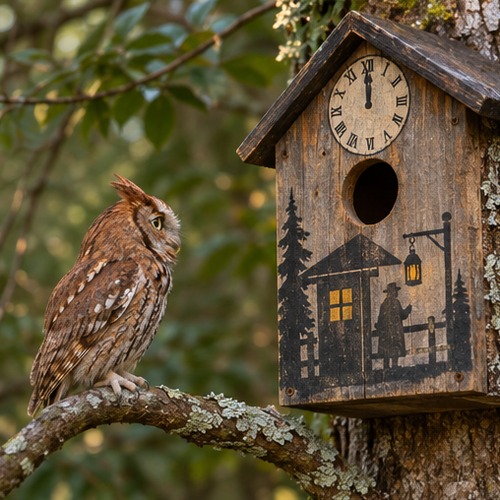
Eastern Screech-Owl by its intended house

Eastern Screech-Owl

Across much of eastern North America in woodlands, wooded neighborhoods and parks, from southern Canada into parts of Mexico.

A substantial tree cavity serves as both shelter and a nesting site. A roomy owl box follows that pattern; a small songbird chamber or miniature decorative opening would be unsuitable.

The Night Watch →

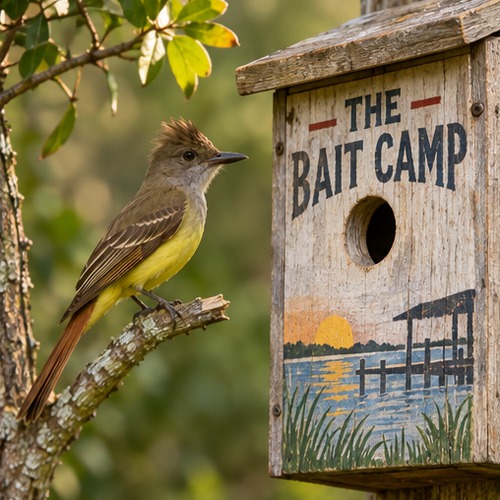
Great Crested Flycatcher by its intended house

Great Crested Flycatcher

Throughout much of eastern North America in summer, traveling to Mexico, Central America and northern South America outside the breeding season.

Unlike many flycatchers, this species nests inside a cavity. A tall enclosed chamber fits that habit, with a clear entry for an adult returning from a hunting flight among the branches.

The Bait Camp →

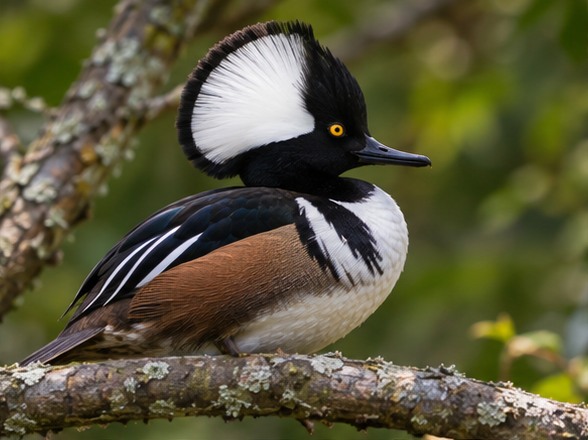
Hooded Merganser by its intended house

Hooded Merganser

In wooded freshwater landscapes in parts of eastern and western North America during breeding.

This cavity-nesting duck uses a roomy chamber near freshwater. A broad oval entrance and a climbable interior let young birds reach the opening.

The Cypress Canoe Livery →

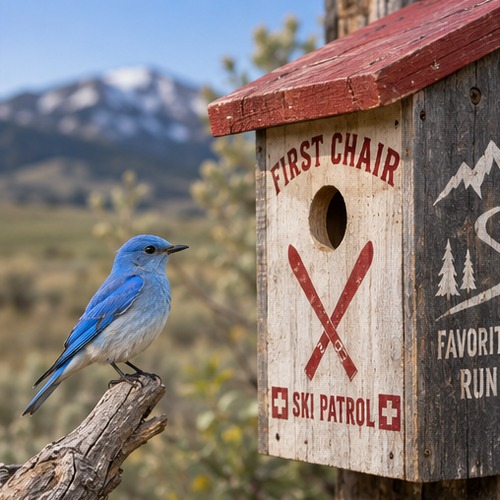
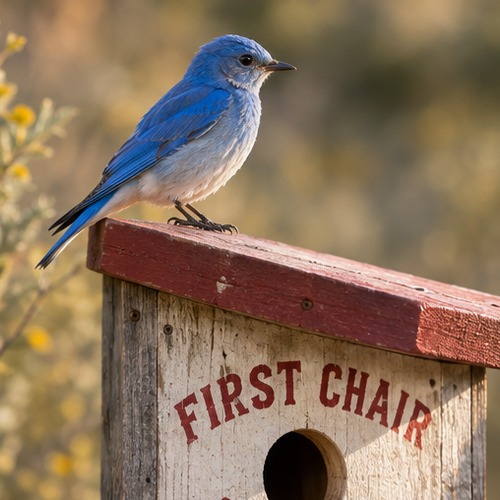
Mountain Bluebird by its intended house

Mountain Bluebird

In open western North America, from northern breeding areas into mountain meadows and high plains, with many moving to lower or more southerly places in winter.

This bluebird looks for an existing cavity near open hunting ground. The bird’s long approach across a meadow is as much a part of the design decision as the chamber behind the entrance.

First Chair Ski Patrol →

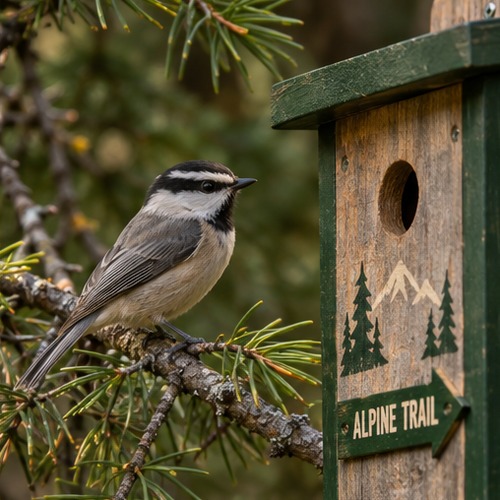
Mountain Chickadee by its intended house

Mountain Chickadee

In mountain forests of western North America, including the Rockies, Sierra Nevada and other western ranges. Elevation and the local tree community matter.

The enclosed chamber reflects the natural openings these chickadees use in mountain forests. The opening needs to remain clear even when the outside carries a trail sign or painted trim.

Trailhead Ranger Station →

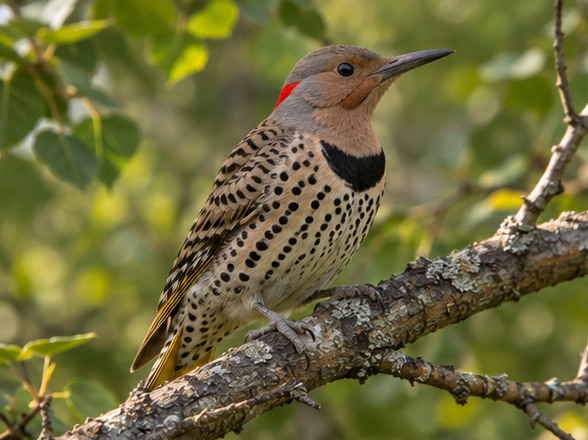
Northern Flicker by its intended house

Northern Flicker

Across much of North America, with local breeding distribution varying by region.

A deep chamber packed with suitable wood chips gives this woodpecker material to excavate. The species plan sets out the dimensions and interior climbing surface.

The Grain Elevator →

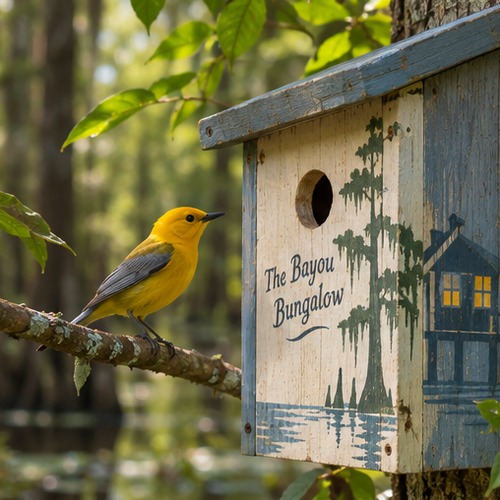
Prothonotary Warbler by its intended house

Prothonotary Warbler

Primarily in eastern North American bottomland forests during breeding, especially in the Southeast and river valleys. It migrates south to tropical wintering grounds.

This is one of the few North American warblers that regularly nests in cavities. A modest enclosed chamber belongs beside a wet woodland, where the bird can find food and protected cover.

The Bayou Bungalow →

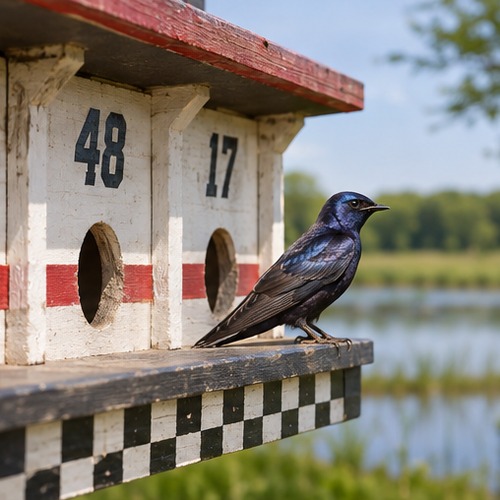
Purple Martin by its intended house

Purple Martin

Across much of eastern North America in the breeding season, with scattered western breeding populations and a South American winter range.

A colony house gives neighboring pairs separate chambers behind a shared facade. Martins often accept human-provided nesting sites in the East; western populations also use natural cavities.

Saturday Night Speedway →

The Motor Court →

Mission Control →

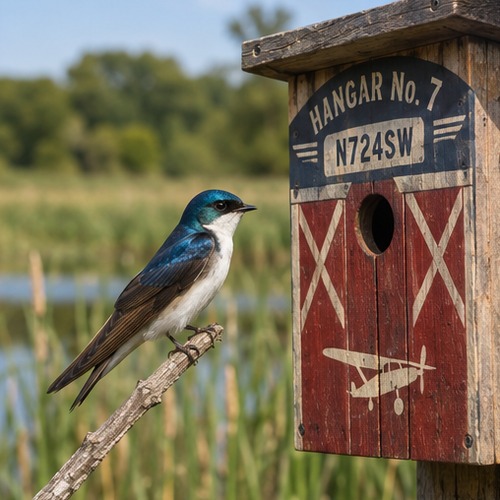
Tree Swallow by its intended house

Tree Swallow

Across much of Canada and the northern and central United States during breeding, with winter flocks farther south along coasts, wetlands and open country.

A Tree Swallow uses existing cavities, including boxes near good aerial feeding grounds. Grasses form the nest and feathers often line it, visible only when safely observed at the right time.

Hangar No. 7 →

Station 24 →

The Gulf Shrimp Boat →

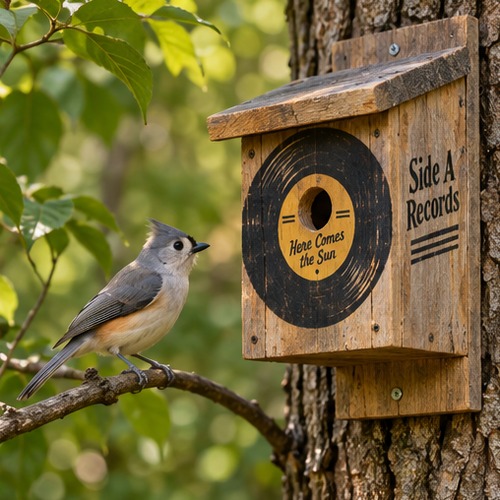
Tufted Titmouse by its intended house

Tufted Titmouse

Across much of the eastern United States, especially in deciduous woodland, wooded suburbs and parks with mature trees.

A titmouse uses existing holes for nesting, including older woodpecker cavities. The nest can include moss, bark, leaves and soft lining carried through the entrance a little at a time.

Side A Records →

The Saturday Matinee →

The Volunteer Library →

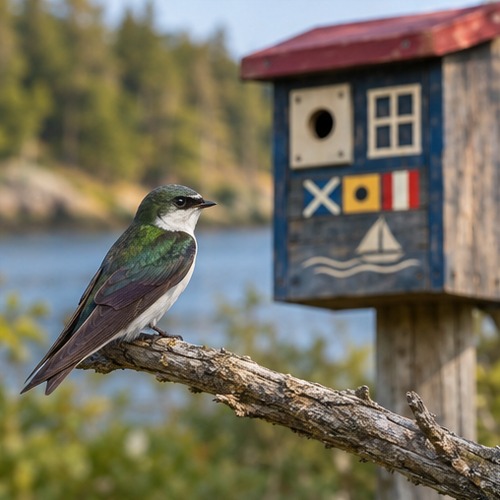
Violet-green Swallow by its intended house

Violet-green Swallow

Across western North America in the breeding season, including wooded mountain valleys and western river country. Many winter in Mexico and Central America.

A cavity can serve a species that also uses holes in trees and crevices in cliffs. It needs clear aerial access, even when the house is styled to look like a compact harbor office.

The Harbor Master →

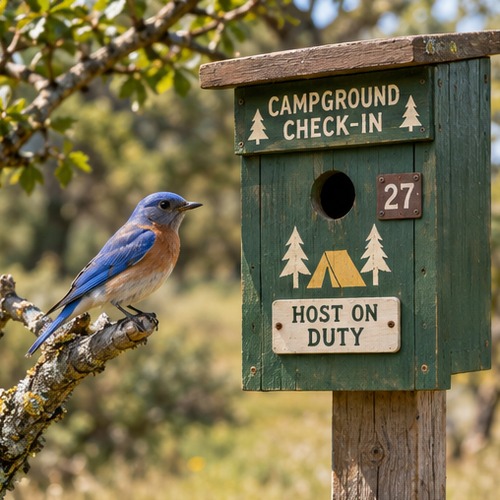
Western Bluebird by its intended house

Western Bluebird

Across parts of western North America in open woodland, oak country and forest clearings, including areas of the Pacific states and the interior Southwest.

Western Bluebirds use existing cavities around open woodland. A box can supply a nesting space where mature trees offer hunting perches but few usable holes remain.

Campground Check-In →

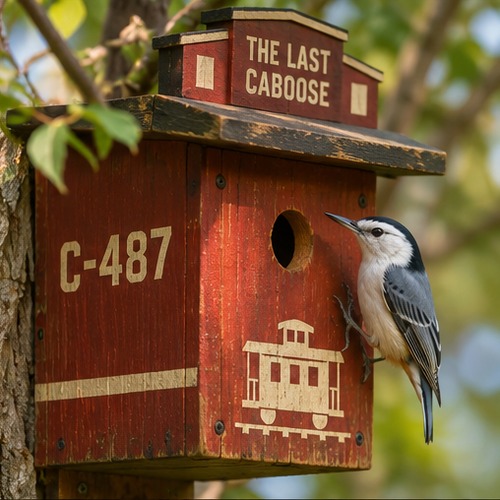
White-breasted Nuthatch by its intended house

White-breasted Nuthatch

Across much of the United States and southern Canada wherever sizeable trees provide suitable woodland, including wooded neighborhoods.

A tree cavity provides the starting point for this enclosed design. Nuthatches sometimes use a box where natural cavities are scarce; mature trees remain essential for foraging.

The Last Caboose →

The Corner Post Office →

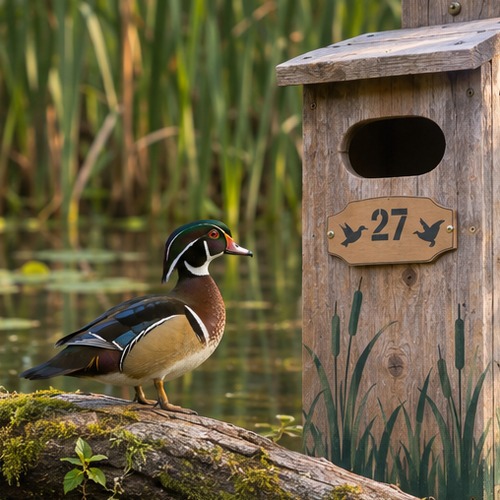
Wood Duck by its intended house

Wood Duck

In wooded wetlands across much of eastern North America and parts of the West, including river corridors and Pacific coastal areas.

A Wood Duck needs a large, deep cavity with a wide entry and a climbable interior surface below it. Ducklings leave the cavity soon after hatching and need a clear route to suitable water.

The Duck Blind →