American Barn Owl · Reclaimed Wood
The Hayloft
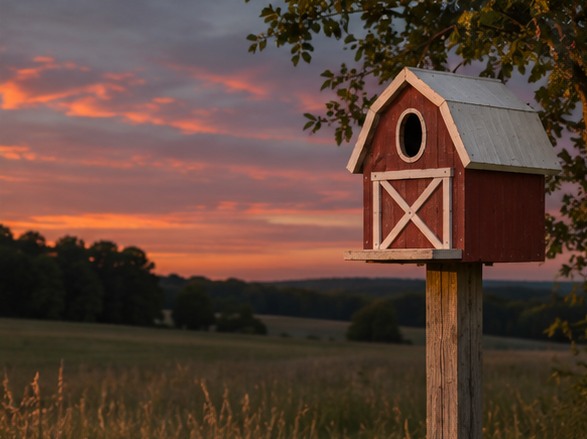
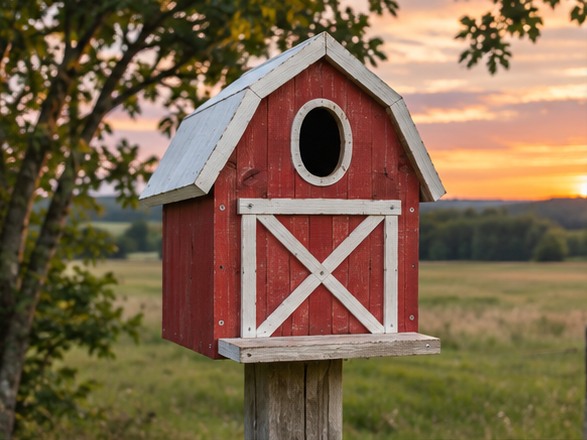
White trim follows the broken pitch of a red gambrel roof.
The Birdhouse
A Loft Above the Pasture
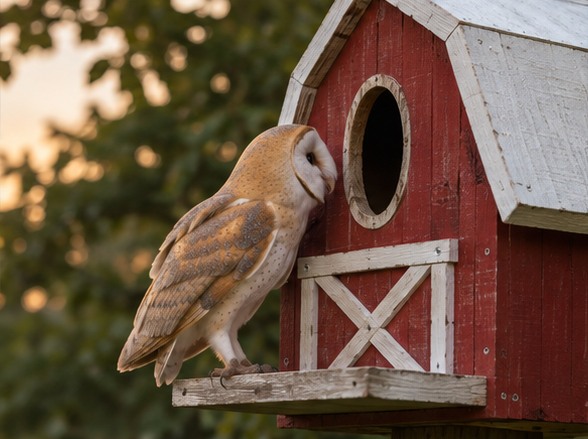
White trim follows the broken pitch of a red gambrel roof. The upper opening takes the place of a hay door and gives the owl a direct flight into the loft. This is a substantial farm box, with room to discuss the mounting site before choosing where the painted face will point.
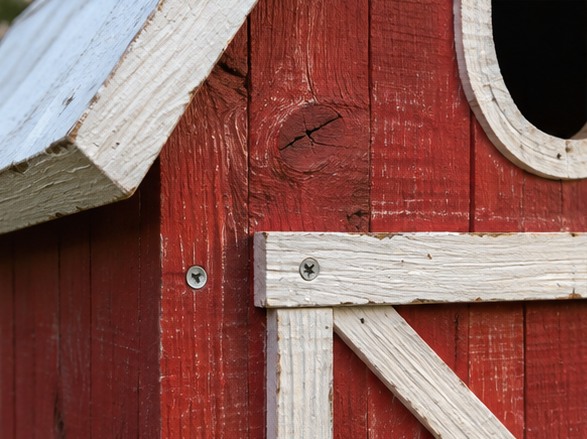
Stand back until the smaller lettering disappears. The outline and the broad blocks of color still tell you what you are looking at. Move closer and the brushwork and grain become visible. Reclaimed boards bring their own small variations in tone, so two versions of the same design can have a different surface under the paint. Underneath that familiar outline, the form is a deep nest box intended for the American Barn Owl.
The Intended Bird
Meet the American Barn Owl
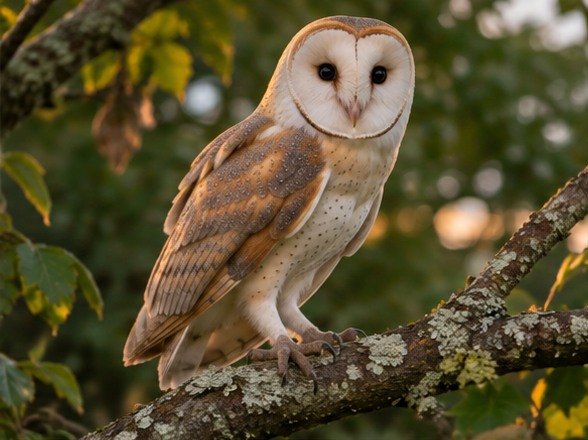
The pale heart-shaped face stands out beneath tawny wings. A bird crossing a field at dusk may show a much lighter underside as it turns. Barn owls use large sheltered cavities. The loft needs room for a brood and a clear approach, with a support appropriate for a full-size owl box.
Scale is the first thing to consider when choosing this house. A large cavity takes up more space and puts more weight on its support than a small garden nesting box. Ask the maker about the final dimensions, the entry shape and access for seasonal care. Those decisions have a direct bearing on where the house can be installed and whether the person who tends it can reach it safely.
The Landscape
Range and Nesting Habitat
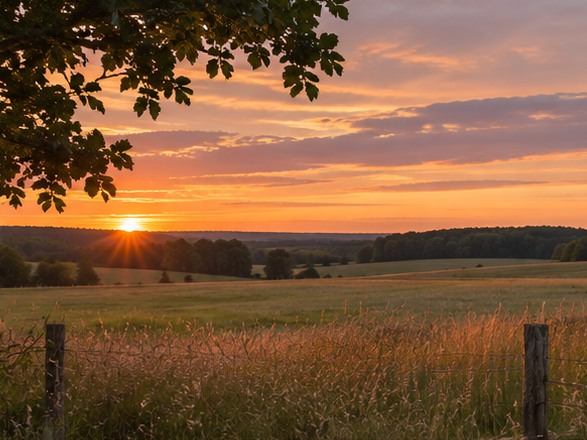
Where might you see the American Barn Owl? In open agricultural and grassland landscapes across much of the Americas where local breeding conditions suit it. Open pasture or rough grassland gives the owl hunting space. Consider nearby roads, disturbance and access before deciding where a heavy box could go.
Check a breeding-season map before choosing a mounting point. A bird seen on a winter walk or during migration may spend the nesting months hundreds of miles away. Look at recent local observations from late spring or summer and compare the habitat around those sightings with your own property. The match becomes more convincing when both the season and the landscape line up.
The Handmade Detail
Which Farm Name Goes on the Barn?
A farm name or founding year will fit across the red siding beneath the loft. If the family barn had an unusual trim color, bring a daylight photograph. That one remembered detail can make the silhouette feel like a particular place.
Before settling on the final look of The Hayloft, try writing the most important detail on a piece of paper at roughly the size you expect to see. Step back to the distance of your garden chair. Notice what you can still read and which colors disappear against the background. A photograph of the proposed spot helps when discussing the piece with the maker. Allow for differences in the reclaimed boards, especially where a dark grain line crosses a light painted area.
Field Notes
Watching the House Through the Season
Observe from a distance around dusk as light fades over the pasture. A pale shape quartering the grass is a reason to keep watching quietly.
Try making a small field note after each visit. Write down the time, the weather and what the visitor actually did. A bird resting on the roof, a bird entering once and a pair making repeated trips with food are three different observations. After a few weeks those modest notes often tell a better story than one dramatic photograph. For The Hayloft, plan for an unobstructed view from a comfortable distance and leave the entrance quiet whenever birds are using it. Use the linked NestWatch guide to plan checks appropriate to the American Barn Owl.