
The Marketplace Guide
A Good Find Begins
With A Little Curiosity.

Chapter 01
Marketplace Shopping In Pearland
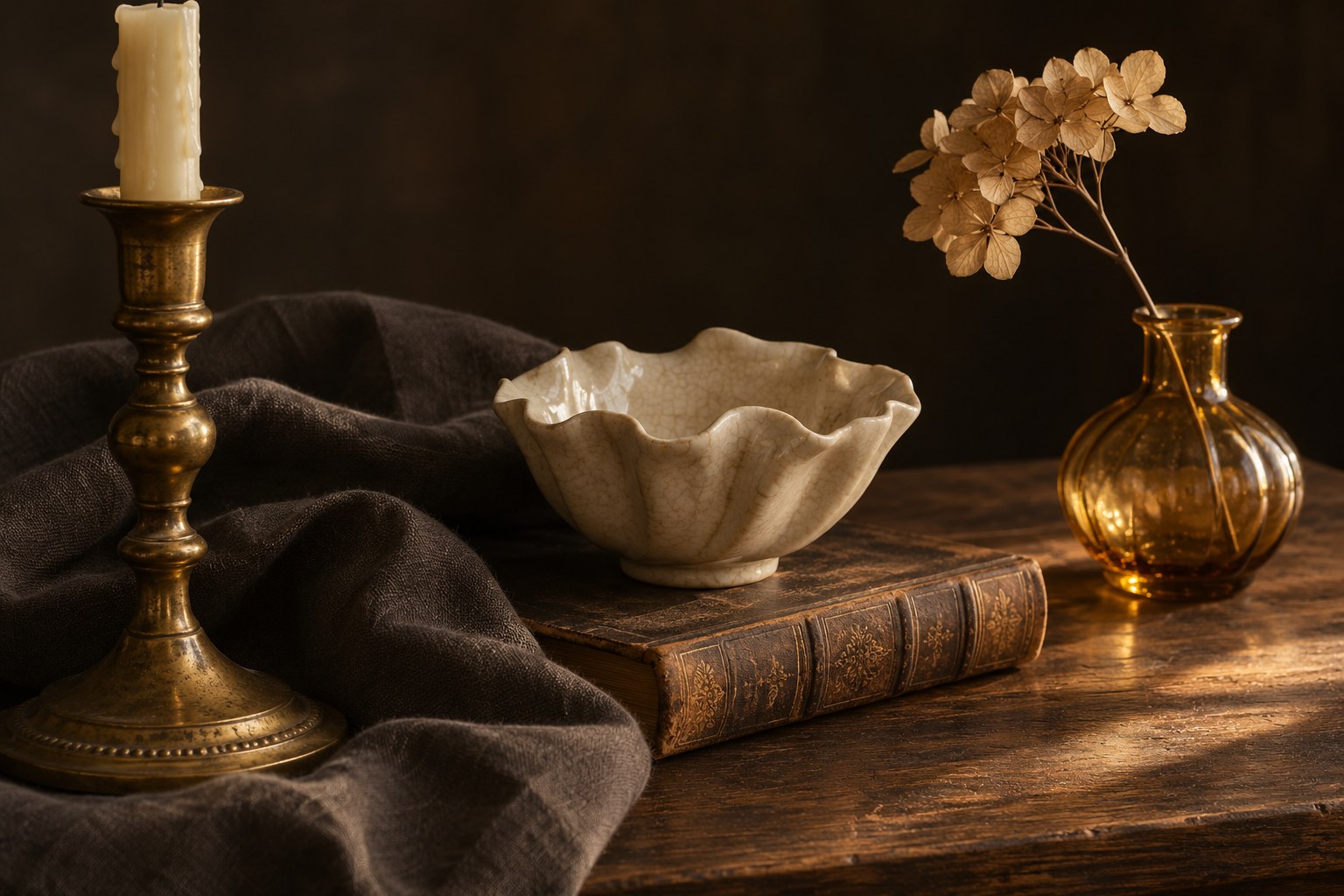
A good find starts with curiosity. Give yourself room to look, notice the details, and choose something that feels like you.
Start with one area of your home, one gift recipient, or one feeling you want a piece to bring. A small brief helps you recognize an interesting find without making the whole trip a checklist.
A useful shopping brief leaves room for surprise. Instead of naming an exact object, describe the job you want it to do: bring warmth to an entryway, add a playful detail to a desk, or mark a friend’s birthday. Keep a photograph or a short note on your phone. You can then judge a find against something real, while still noticing possibilities you did not expect. A clear starting point can make browsing more enjoyable because you are following your own interests.
A shape, color, or finish can be the detail that catches your eye. Pause long enough to consider how that detail would feel beside things you already own.
A shortlist can be as simple as a photograph, the item name, and a note about where it might go. Compare a few possibilities before deciding which deserves a place.
Find Hive Marketplace on Dixie Farm Road in Pearland. Use the current catalog as a starting point and contact the shop for opening hours and item-specific questions.
Explore The Full Guide ↗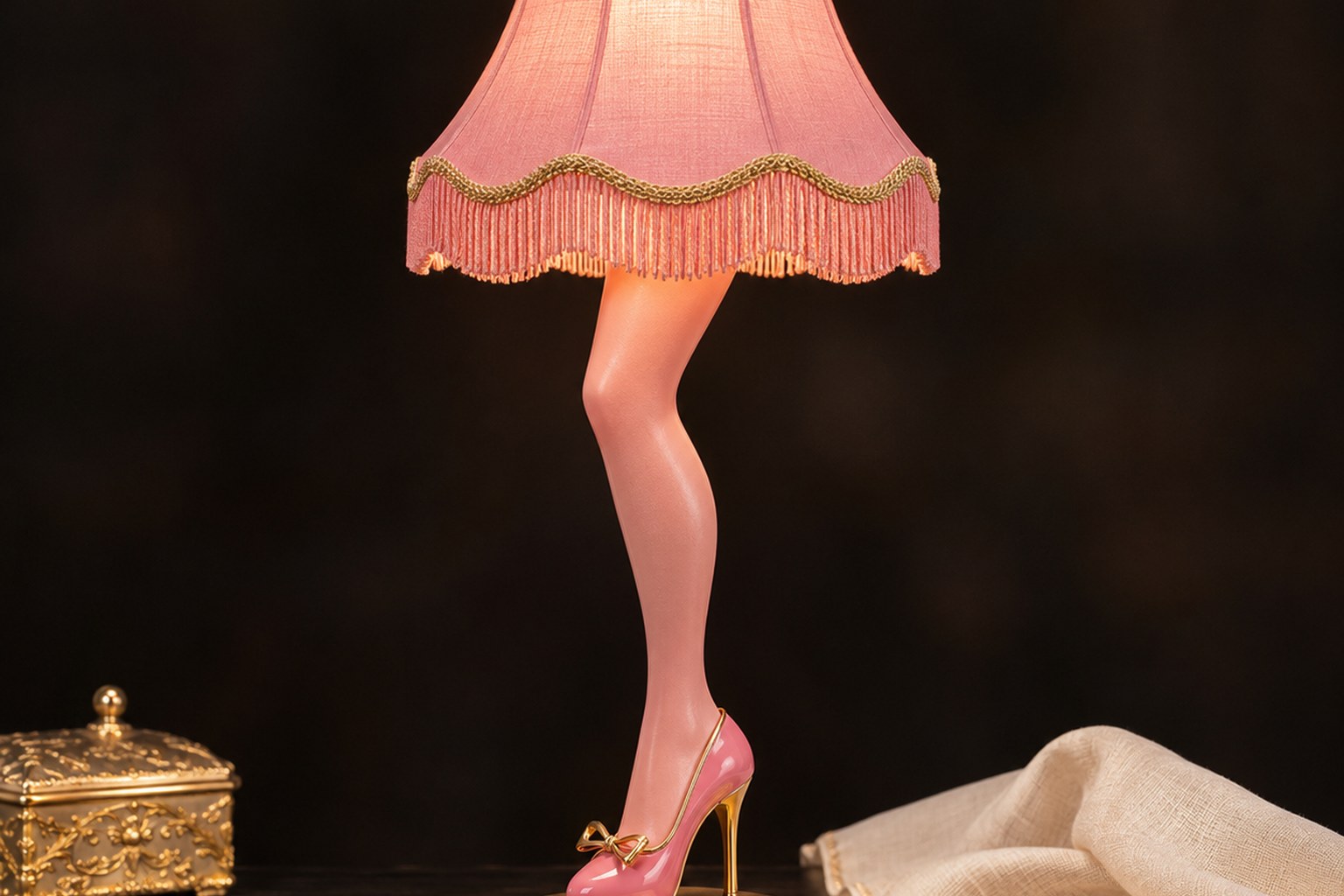
Chapter 02
Statement Lighting Ideas
A lamp can do more than brighten a surface. Its shape can bring humor, color, and a memorable focal point to a corner.
Decide whether the lamp is for reading, an evening glow, or a playful accent. A decorative silhouette can be a wonderful feature, but it still needs to fit the way you use the space.
Think about the room at the time you will use the lamp. A lamp beside a reading chair has a different job from one on a console that is mostly there for atmosphere. Decide which job comes first. A decorative lamp can still be useful, but its shape alone does not tell you how much light it produces. Ask about the bulb and shade before relying on it for a particular task. This keeps the visual choice connected to everyday use.
Measure the table and the available height, including shelves above it. Consider the shade as well as the base; the widest part is often at the top.
Give a sculptural lamp a quieter setting. A simple tabletop and a little breathing room help a distinctive silhouette read clearly.
The live catalog includes a Pink Leg Lamp. Ask Hive Marketplace about its actual dimensions, finish, and condition before deciding whether it suits your space.
Explore The Full Guide ↗Chapter 03
Decorating With Pink Accents
One pink accent can change the mood of a room. Keep it playful, keep it personal, and give the color a little space to shine.
Blush, rose, and vivid pink create very different impressions. Look at the actual shade rather than relying on the broad color name.
Color names can hide a wide range of appearances. A pale blush may behave almost like a warm neutral, while a saturated pink becomes a strong focal point. Look at the relationship between the pink and the background rather than judging it on its own. If you already have a strong color in the room, decide whether the pink should echo it, contrast with it, or simply add a small moment of warmth. Any of these approaches can be personal and intentional.
Pink can sit beside warm ivory, dark charcoal, natural wood, or a muted green. Choose the relationship you enjoy instead of trying to copy an entire styled photograph.
A small repeated color can connect separate parts of a room. It does not need to appear in every object; a quieter echo can be enough.
Light and screens change the appearance of color. Ask for details about the Pink Leg Lamp and view the item when possible before matching it to existing furnishings.
Explore The Full Guide ↗
Chapter 04
Thoughtful Gift Shopping
The most thoughtful gift begins with the person receiving it. Notice their taste, their routines, and the little things they enjoy.
Recall a color they wear, a room they love, or a collection they enjoy. Those small observations are more useful than a broad label such as someone who has everything.
Think about a recent conversation with the recipient. Did they mention a favorite room, a color they enjoy, or something they like to collect? That kind of observation creates a more useful brief than shopping by age or occasion alone. It also helps you explain the gift in a note. You are not trying to summarize their whole personality in an object; you are choosing one small thing that reflects your attention to them.
A decorative gift needs somewhere to live. Consider how much space the recipient has and whether their style is bold, restrained, playful, or traditional.
A surprising shape can make a gift memorable. The surprise works best when it still connects to something the recipient actually likes.
A short note about why you chose the piece can make the gesture feel complete. The thought behind it matters more than the number of things in the package.
Explore The Full Guide ↗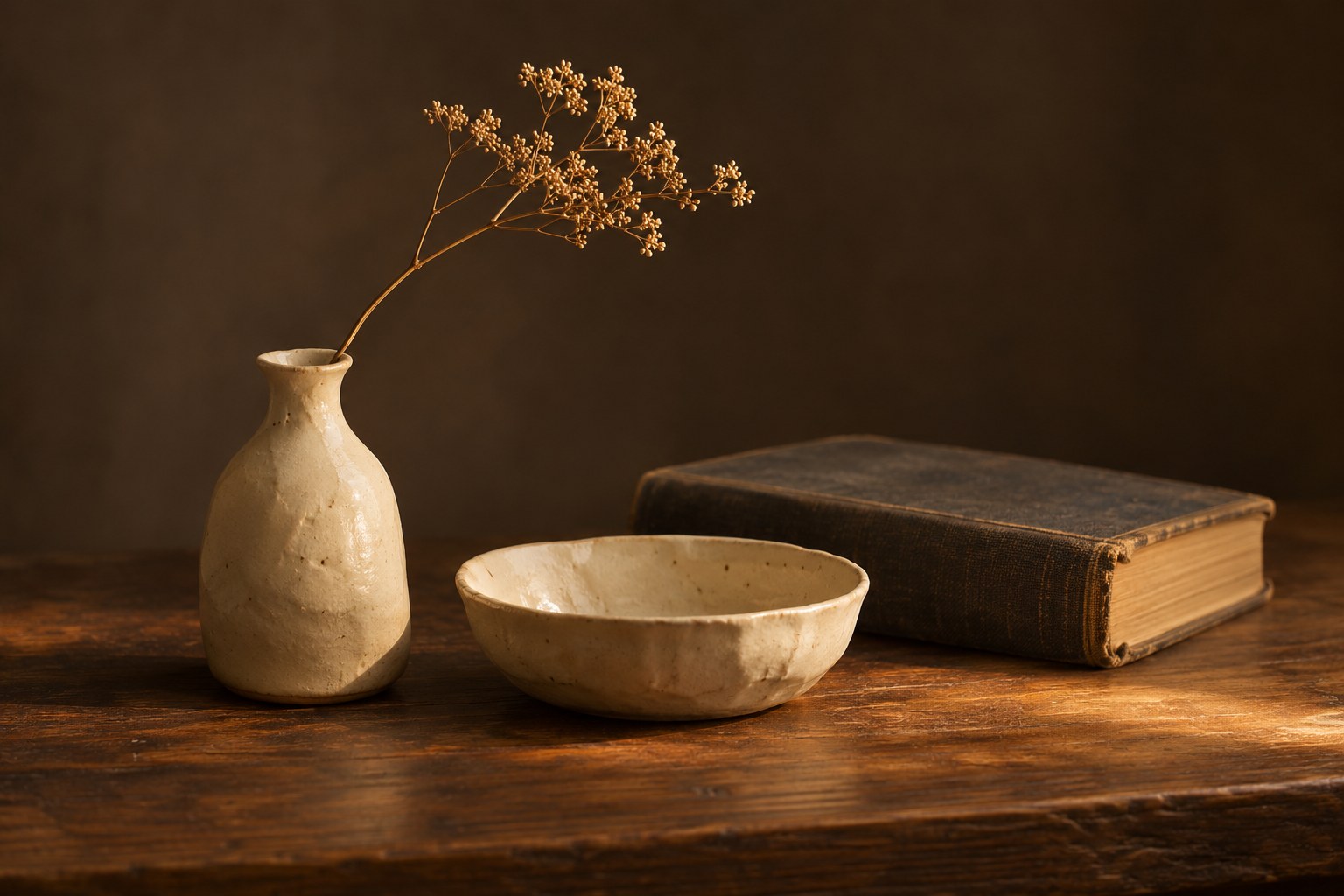
Chapter 05
Small-Space Styling Ideas
A compact space can still feel full of personality. Choose a few pieces thoughtfully and give each one a clear role.
Note the usable width and depth, not only the overall dimensions of a table. Leave room for hands, drinks, doors, drawers, and whatever else happens there.
Measure the space that is genuinely available after everyday needs are accounted for. A table may be wide enough for an object but still need space for a drink or a book. Note the nearest outlet if you are considering a lamp, and check whether a drawer or door opens into the same area. A few measurements on your phone make browsing more concrete. They also help the shop answer whether a particular piece could work.
One distinctive object can establish the mood of a small corner. Let other objects support it instead of asking every piece to compete for attention.
A tall accent can draw the eye upward without taking much tabletop area. Check that its base is stable and its height does not block a window or shelf.
Before purchasing, try a paper outline of the footprint at home. A simple mock placement often reveals whether the size feels comfortable.
Explore The Full Guide ↗
Chapter 06
Mixing Old And New Styles
A room can hold more than one era or influence. A shared color, shape, or material helps different pieces feel comfortable together.
Look for one connection between pieces: a curved line, a warm finish, or a repeated color. That small thread can make a varied arrangement feel intentional.
A mixed arrangement becomes easier to read when there is one recognizable connection. You might repeat a curved shape, a warm metal tone, or a soft neutral color. The connection does not have to be obvious to everyone; it only needs to help the pieces feel comfortable together to you. Begin with something you already love, then compare a possible addition against it. That keeps the arrangement rooted in your taste rather than in a formula.
An ornate shape can look especially clear beside a plain surface. Try contrast before deciding that every piece needs the same level of detail.
Wood, fabric, ceramic, and metal reflect light differently. A little variation can give a room depth without requiring a large number of objects.
An old-fashioned appearance does not prove age or provenance. Ask about any documented history, materials, and condition instead of assuming a piece is antique.
Explore The Full Guide ↗Chapter 07
Tabletop Styling Ideas
A tabletop is a small canvas for everyday style. Start with a useful surface, then add a few details that make it yours.
Clear the surface and bring back the items you genuinely use. This makes it easier to see how much room remains for a decorative accent.
An empty surface makes a useful starting point because it reveals the shape and proportion of the space. Put back the essentials first, then consider what kind of accent would add something. This can prevent decoration from taking over a surface that has a daily job. You may find that one object is enough. A tabletop arrangement is not measured by how many things it contains, but by how comfortably the pieces relate to the space.
Different heights and outlines can create an interesting arrangement. A low bowl and a taller object have different visual jobs.
Empty space is part of the arrangement. It gives each object a clearer outline and keeps the surface comfortable to use.
If the arrangement feels busy, remove one object and look again. A smaller selection often makes the remaining pieces feel more distinctive.
Explore The Full Guide ↗Chapter 08
Black, Gold And Ivory Styling
Black, gold, and ivory bring together depth, warmth, and light. The balance between them matters more than using equal amounts.
Choose a main color and use the others as supporting notes. A mostly ivory setting feels different from a mostly black one, even with the same accents.
The proportion of colors sets the mood. An ivory background with a black detail and a little gold feels lighter than a black background with the same accents. Choose the balance that suits your room and the way you want it to feel. You can begin with surfaces and fabrics you already own rather than replacing them. A small new object may be enough to make the palette more visible.
A metallic finish catches the eye quickly. A small amount can be enough, especially when the surrounding surfaces are quiet.
Linen, wood grain, and softly textured ceramics can make a strong palette feel more relaxed. Think about touch as well as color.
Use the palette as a starting point rather than a rule. A small pink accent or a personal object can give the arrangement its own character.
Explore The Full Guide ↗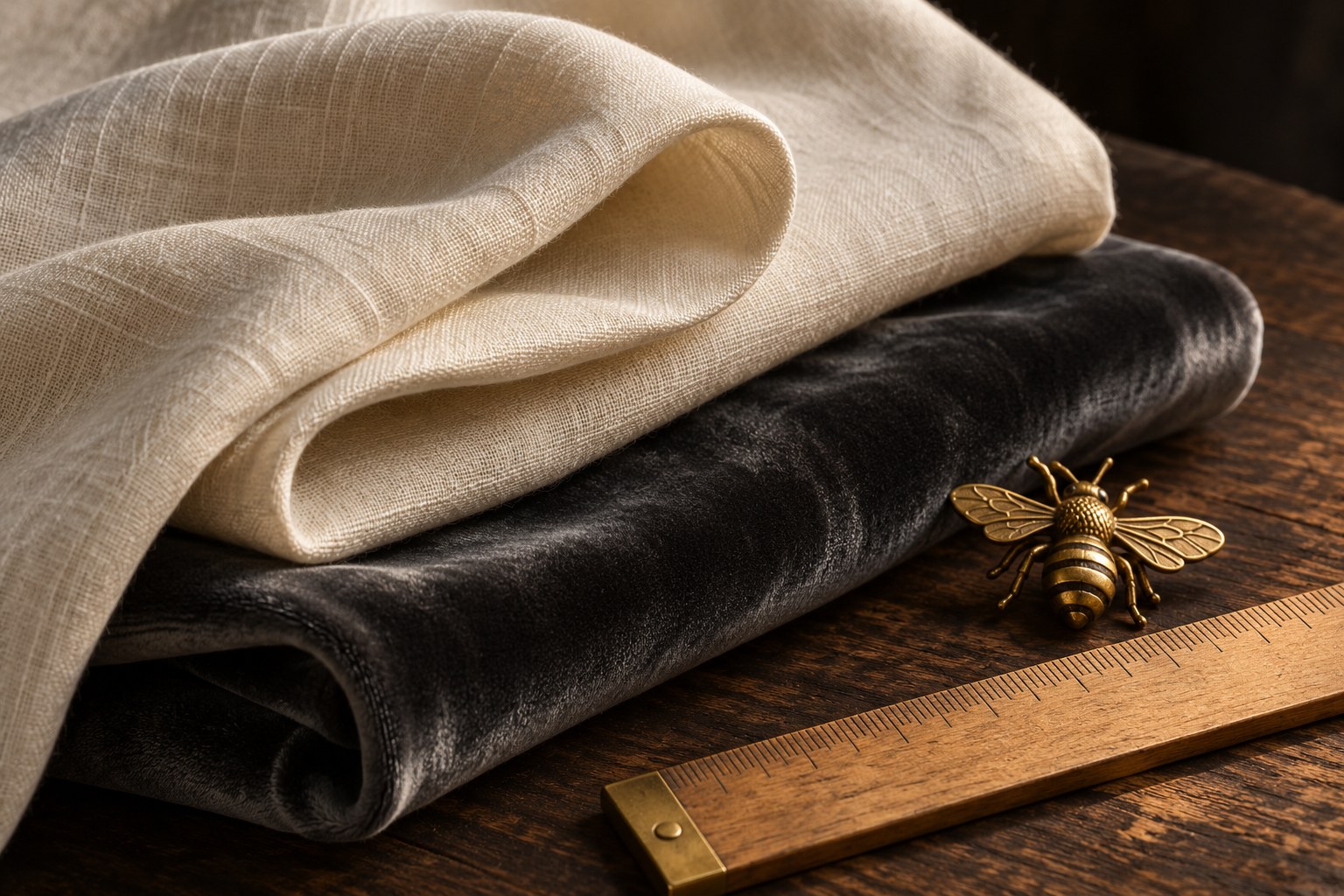
Chapter 09
Choosing A Find With Confidence
A little preparation makes a purchase feel clearer. Pair your first impression with the information you need to make a comfortable decision.
Look at the current item name, description, and price. Listings can change, so use the live catalog rather than a saved screenshot when making a decision.
Use the current listing as your starting point, especially if you first saw an item in a screenshot or earlier conversation. Check the item name and price again before deciding. If a description is brief, identify which details you still need rather than assuming the missing information. The catalog on this website is connected to the business’s listings, so it provides a useful place to begin that conversation with a specific item in mind.
Styled imagery offers ideas, while the actual product listing and shop confirmation establish what you are buying. Ask whenever a detail is not specified.
A short question about size, materials, condition, or availability is easier to answer than a general request for more information. Include the item name.
Save the item name and any confirmed details that matter to you. If your plans change, contact the shop before relying on earlier availability.
Explore The Full Guide ↗Chapter 10
Plan A Marketplace Visit In Pearland
Start with a little inspiration, check the practical details, and make your visit to Hive Marketplace your own.
Hive Marketplace is at 3108 Dixie Farm Road, #108, Pearland, TX 77581. Use the directions link on the Visit page for a map to the saved business address.
Use the full address, including the unit number, when planning directions. The Visit page links to a map search using the business information saved with Internet Of Doing. Check the destination in your map app before setting out. If you are unsure about finding the unit, contact the shop directly. The website does not make assumptions about parking, entrances, or accessibility details that have not been supplied by the business.
Call the shop to confirm current opening hours and any item you are making a special trip to see. Hours are not listed in the supplied business information.
A measurement, a room photograph, or a note about a gift recipient can make browsing more focused. Keep the details you need handy.
Use the contact page for questions, or meet Bea to explore the published catalog and connected customer tools. The shop is the best source for details that are not listed.
Explore The Full Guide ↗Follow Your Curiosity