
The Marketplace Guide
Statement Lighting Ideas

01 · Light With Personality
Choose The Role Of The Lamp
Decide whether the lamp is for reading, an evening glow, or a playful accent. A decorative silhouette can be a wonderful feature, but it still needs to fit the way you use the space.
Think about the room at the time you will use the lamp. A lamp beside a reading chair has a different job from one on a console that is mostly there for atmosphere. Decide which job comes first. A decorative lamp can still be useful, but its shape alone does not tell you how much light it produces. Ask about the bulb and shade before relying on it for a particular task. This keeps the visual choice connected to everyday use.
Try This At Home: Write down the one quality that matters most to you, then a practical limit such as size or placement. Keep those two notes together while you browse. This makes it easier to recognize a promising option without expecting it to satisfy every possible idea. If a piece catches your attention for a different reason, pause and consider whether that new direction still fits your plans.
A Simple Starting Exercise: Picture the place or person you are shopping for and write down three things you already know. They might be the available space, a favorite color, and the way the object will be used. Then name one thing you are open to discovering. This separates practical needs from creative possibilities. Keep the note short enough to use while browsing; it should help you notice things, not distract you from them. If a find falls outside your first idea, compare it with those practical needs before dismissing it or deciding too quickly. You can change your mind about the creative direction while still respecting the limits that matter. The result is a flexible brief that belongs to you, rather than a list borrowed from someone else’s room or photograph.
Explore This Idea ↗
02 · Light With Personality
Balance Height And Footprint
Measure the table and the available height, including shelves above it. Consider the shade as well as the base; the widest part is often at the top.
Measure from the surface upward and note anything that might restrict the lamp: a shelf, a mirror, a curtain, or a window opening. Then check the width of the shade and the space needed for the cord. A lamp can have a narrow base and still occupy a broad area. Leave enough room to reach its switch comfortably. Looking at these small practical details now is easier than discovering later that the lamp only fits when other useful objects are removed.
A Useful Comparison: Look at the piece beside the colors and materials already in your space. Consider the view from across the room as well as the close-up details. The relationship between objects often matters more than any one item on its own. If you are browsing online, use the imagery for inspiration and ask the shop about the actual item before relying on a specific visual detail.
Look At The Whole Relationship: Imagine the proposed piece in its intended setting, including the objects that will remain around it. Consider what you would see first, what would become less noticeable, and whether the balance would change in a way you enjoy. If you can, take a photograph of the current arrangement and mark where the new object might go. This is only a rough visual aid, not a way to establish exact size or color. Use real measurements and shop-confirmed details for those questions. Move one existing item in the photograph or in the room before considering another purchase. Sometimes the useful change is a different relationship between things you already have. A new find can then add something specific instead of being asked to solve an unclear styling problem.
Explore This Idea ↗03 · Light With Personality
Let The Shape Take The Lead
Give a sculptural lamp a quieter setting. A simple tabletop and a little breathing room help a distinctive silhouette read clearly.
When a lamp has an expressive silhouette, nearby objects can be simpler. A plain wall, an uncomplicated tabletop, or one low object beside it can help the form stand out. You do not need a whole room of novelty pieces to enjoy one playful lamp. Try placing it where you naturally pause or look across the room. A distinctive object is often most effective when it has a clear visual role rather than being surrounded by competing shapes.
Keep It Practical: Leave room for the way the space is used every day. An arrangement should allow you to reach what you need, move comfortably, and care for the objects without difficulty. If a choice adds inconvenience, consider a different placement before deciding. A small adjustment can sometimes make an interesting object work much better with the life already happening around it.
Test The Everyday Fit: Think through an ordinary day in the place where the item will live. Notice what you reach for, where you set things down, and which areas need to stay clear. Include other people who use the space rather than judging only a still photograph. A decorative choice should leave those routines workable. If the piece is a gift, consider the same questions from the recipient’s point of view and avoid assuming that they can rearrange a whole room to accommodate it. You can also try a temporary arrangement with an object of roughly similar proportions, provided it is stable and safe to place there. The experiment does not need to look beautiful. Its purpose is to show whether the proposed position, footprint, and everyday use make sense together.
Explore This Idea ↗
04 · Light With Personality
Think About The Light Itself
Check the socket, bulb requirements, switch, cord, and working condition with the shop. Do not assume compatibility from the image or product name.
The light source, shade, and surrounding surfaces all influence the result. A dark wall absorbs more of the impression than a pale one, while the shade changes how light spreads. Ask the shop for the actual lamp’s bulb requirements and working condition. Follow the manufacturer’s instructions where available, and do not exceed the stated bulb rating. If those details are missing, resolve them before using the lamp. Styling ideas should never substitute for the item’s practical instructions.
Before You Decide: Make a short list of the unanswered questions that would affect your choice. Ask those questions directly and use the current item name in your message. You do not need every possible detail, only the ones that matter to your plans. The shop can confirm what is known about the actual item, including details that cannot be established from an illustrative photograph.
Make The Question Easy To Answer: Start with the current item name, then describe the one detail you need and why it matters. For example, you might need a measurement because the piece must fit beneath a shelf, or a clear view of the finish because it will sit beside an existing object. This context helps the shop provide a useful answer without guessing what you mean. Keep separate questions distinct and allow for details that may not be documented. If something cannot be confirmed, decide whether that uncertainty affects your willingness to buy. Do not turn an illustrative detail or an earlier assumption into a confirmed fact. The aim is a shared understanding of the actual item, so that your final choice rests on information you have deliberately checked.
Explore This Idea ↗05 · Light With Personality
Ask Before You Choose
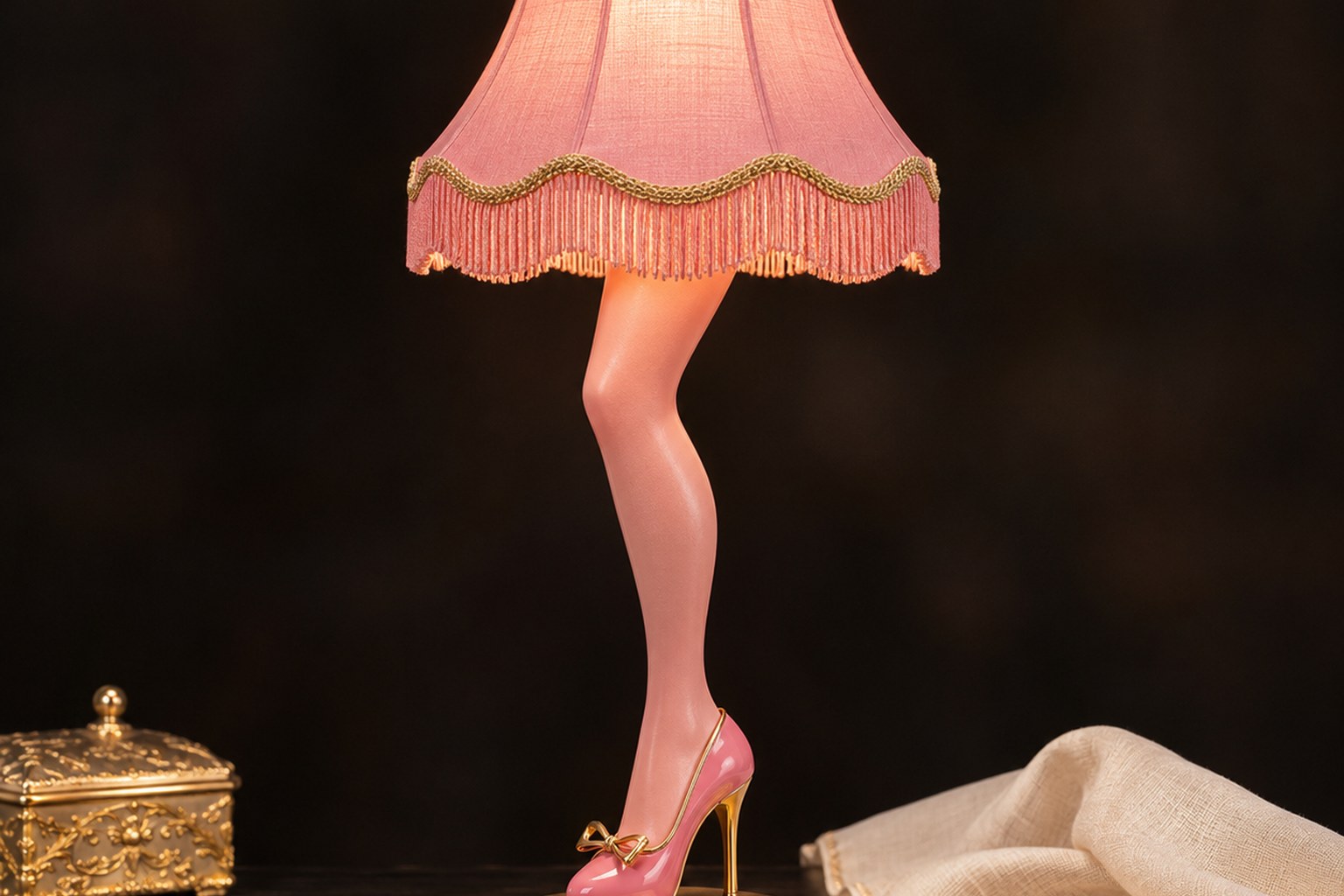
The live catalog includes a Pink Leg Lamp. Ask Hive Marketplace about its actual dimensions, finish, and condition before deciding whether it suits your space.
Use the Pink Leg Lamp listing as a conversation starter. The generated image on this site is an illustration, so its precise shade shape, trim, and finish are not a specification of the item for sale. Ask for actual photographs or view the lamp when possible. Confirm the details that drew you to it, including the shade of pink, overall size, and the condition of the base and shade. Then decide whether the real item suits your plans.
Your Next Step: Browse the current catalog or contact Hive Marketplace with a specific question. If you are planning a visit, check current hours and availability first. These guides offer ideas for making a personal choice; they do not promise that every object shown in the styling images is stocked. Let the current listing and the shop’s confirmation guide the final decision.
Bring The Decision Together: Return to the reason the item interested you and compare it with what you have learned. Does it still fit the space, person, or purpose you had in mind? Are the important practical questions answered? Have you confirmed the current price and the next step with the business? You do not need to find a perfect object for every possible future use. You need a choice that feels comfortable for the use you have now. If you are still unsure, identify the specific missing detail rather than collecting more general inspiration. Contact the shop about that detail, or take time to consider the decision. When you are ready, follow the current purchasing process and keep any confirmation provided. A thoughtful choice can still feel spontaneous and enjoyable.
Ask The Shop ↗Follow Your Curiosity