
{{Business.BusinessName}} · {{Business.City}}, {{Business.State}}
Financial Reporting
Numbers You Can Put Into Perspective.
 01 / 05
Financial Reporting · Chapter 01
Start With The Questions That Matter
A report is most useful when you know what you want to learn from it. You may be interested in activity over a period, the position of particular accounts, or the timing of cash movement. Defining that purpose helps you choose the information that belongs in the conversation. It also makes it easier to recognize when a report needs supporting detail before it can answer the question you have in mind.
Bring the reports you currently receive and describe how you use them. Identify the decisions or recurring questions they are meant to support, along with any areas where the presentation feels difficult to follow.
 02 / 05
Financial Reporting · Chapter 02
Look At Income And Expenses Together
A view of income and expenses can help explain activity over a defined period. The usefulness of that view depends on consistent categories, complete records, and an understanding of unusual items. A change in the total is a starting point for discussion, not a complete explanation. Looking at the detail behind the movement helps connect the report with the work your business performed and the resources it used.
Choose a period you want to review and note events that may have affected the results. Bring questions about categories that changed substantially or amounts that do not match your understanding of the business.
 03 / 05
Financial Reporting · Chapter 03
Understand Balances In Context
Account balances describe a position at a particular point in time. Understanding them often requires looking at the supporting activity and the obligations or resources they represent. A balance that appears unfamiliar may need an explanation of timing, an underlying document, or a review of how activity was recorded. Clear reporting makes those questions easier to identify and keeps the conversation grounded in the records available for review.
Highlight the balances you would like explained and bring any related schedules or statements. Note whether the question is new or has appeared in earlier periods, since that history can help focus the discussion.
 04 / 05
Financial Reporting · Chapter 04
See How Cash Moves Through The Business
Cash movement can tell a different story from activity shown elsewhere in the books. The timing of customer payments, supplier spending, and other transactions affects the amount available in your accounts. Looking at those movements helps explain why a period that felt busy may not look the same from a cash perspective. The most useful discussion connects the report with the actual sequence of receipts, payments, and known commitments.
Bring bank statements and information about significant upcoming or recently completed payments. Identify transactions whose purpose or timing is unclear so the discussion can distinguish ordinary operations from other movements between accounts.
 05 / 05
Financial Reporting · Chapter 05
Make Comparisons Meaningful
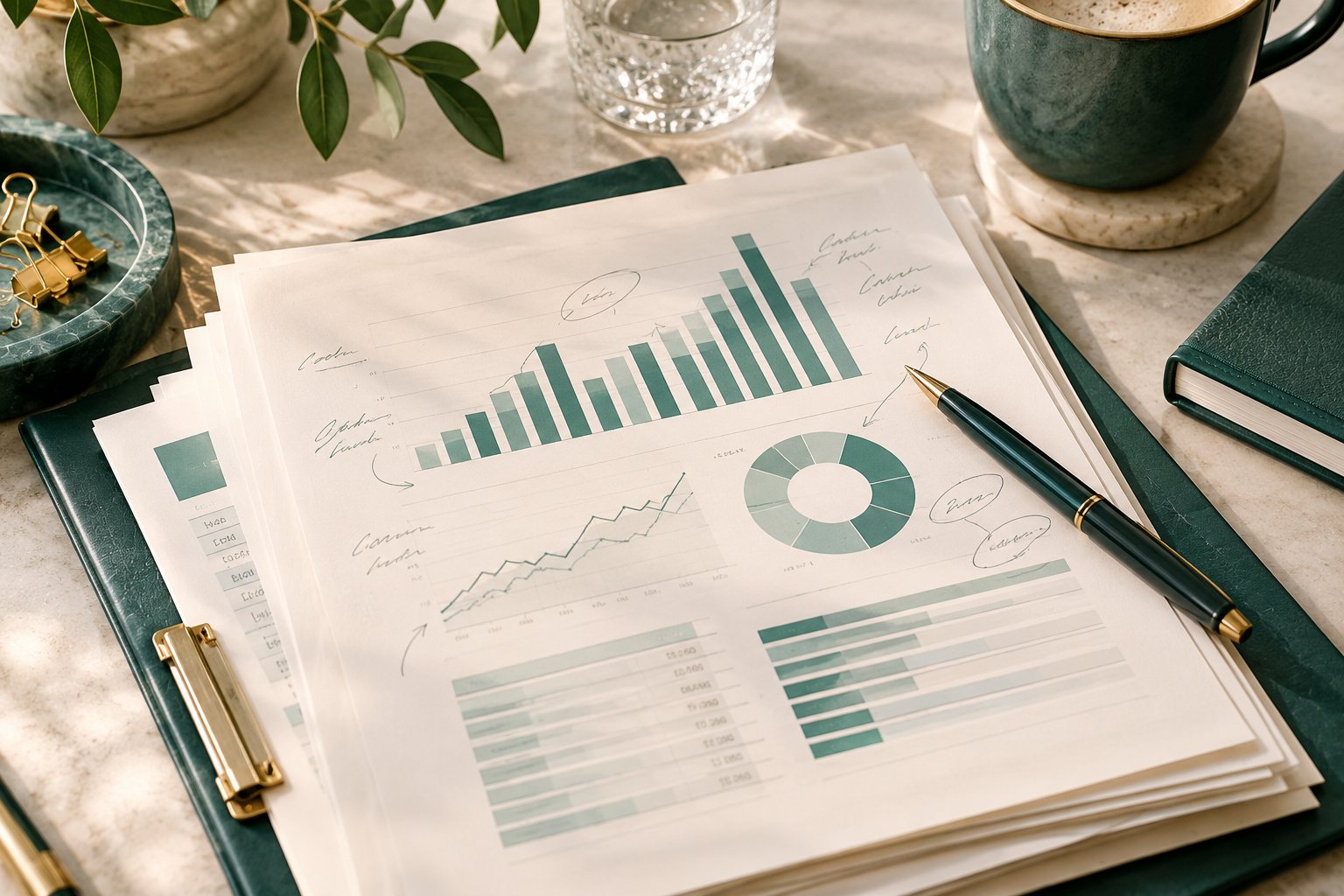
Comparing periods can help you notice patterns, but the comparison needs a consistent foundation. Changes in categories, incomplete records, and one-time events can affect what the figures appear to say. A thoughtful review considers those differences before drawing conclusions. It also connects the numbers with the questions you are trying to answer, so the report becomes a useful part of your planning routine rather than a collection of unexplained percentages.
Bring comparable reports and note any changes in how the books were maintained. Discuss the periods that matter to your business and the operational events that may help explain differences between them.